 Polish,
  Ukrainian,
  Russian,
  Hindi,
  Spanish,
  French and
  Greek.


Energy Upgrades vs. Owner Objections in Illinois Condos
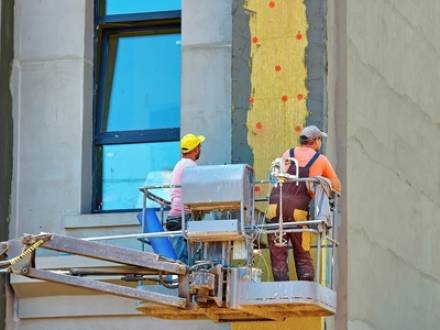 Perhaps energy costs are high for all condo owners due to aging heating systems, outdated lighting, or drafty windows. Since Illinois is currently offering some of the strongest energy-efficiency incentives in decades, many condo boards are fast-tracking needed upgrades. While grants or state incentives might cover part of an upgrade, a special assessment will likely be required to fund the remainder. What happens when a vocal group of owners insists that the upgrades are unnecessary or too expensive?
Can condominium owners legally block a special assessment for energy-efficient improvements, or does the board have the authority to move forward? Condominium law can be complex, so when owners resist the cost of an upgrade that the board believes is necessary, it is important to understand exactly what authority the Illinois Condominium Property Act gives them. Condominium boards should consult an experienced Cook County, IL condominium law attorney to ensure they stay on the right side of the law.
Why Are Energy-Efficient Projects Increasing in Illinois Condominiums?
Rising utility costs across the state are prompting many condominium boards to move forward with energy-efficient upgrades. In some cases, the board may be pressured by lenders or insurance carriers to modernize older buildings, an issue that is more pressing now because tax credits and utility rebates will be expiring between 2025 and 2027.
Currently, the Illinois Climate and Equitable Jobs Act (CEJA) offers incentives, making this a good time to consider upgrades that can improve marketability since buyers are more likely to reject buildings with outdated systems. Perhaps just as important, condominium boards have a fiduciary duty to maintain and preserve property values.
Are Energy Efficiency Projects "Necessary" or "Optional?"
While some owners believe that any large condominium improvement project must be put to a vote, others think a 20 percent petition can stop a special assessment in its tracks. In reality, Illinois law gives condo owners broad authority to fund necessary or beneficial energy-efficient upgrades, provided proper procedures are followed. The board can strengthen its authority by highlighting safety concerns from such things as leaky windows leading to mold and failing boilers.
If there are insurance underwriting demands or compliance issues with local energy benchmarks, this makes the path even stronger. If the upgrades will ultimately provide long-term cost savings and reduced maintenance, the case is stronger. In other words, if the board frames the energy upgrades as required replacements or delayed maintenance, then its authority is stronger.
When is a Special Assessment Required Under the Illinois Condominium Property Act?
The condo board’s authority to levy special assessments is found under 765 ILCS 605/9(c). There is a distinction between necessary repairs, which are typically board-controlled, and capital improvements, which may require owner vote, depending on the declaration. If "energy efficiency" counts as repair, replacement, or improvement, then the board generally has broad authority. Outdated governing documents can complicate how improvements are classified, and studies on condo reserves play a role in determining the method of funding.
Can Condo Owners Block a Special Assessment for Energy Upgrades?
Whether the owners can block a special assessment depends on the voting rules and the declaration. Most declarations give the board the ability to levy special assessments without approval. Some declarations require the owners’ vote for non-essential improvements over a cost threshold, but in most cases, energy-efficiency modernizations are considered an essential upgrade.
Owners can challenge an assessment in a lawsuit, but they must show that the board breached its fiduciary duty, acted arbitrarily, relied on inadequate engineering studies, or failed to explore less expensive alternatives. Boards should always obtain a professional energy audit and engineering report, provide clear cost/benefit projections, document all decision-making steps, present financing options, and engage legal counsel.
Contact an Arlington Heights, IL Condominium Law Attorney
If your Illinois condo board is considering a major modernization project or facing pushback over an assessment, an experienced Cook County, IL HOA board lawyer from Dickler, Kahn, Slowikowski & Zavell, Ltd. can help. Our firm has more than 150 years of combined legal experience. Call 847-593-5595 to schedule your initial attorney consultation.








Get in Touch With One of Our Professionals
To learn more about our legal services, we encourage you to schedule a consultation at our office.
85 W Algonquin Road, Suite 420,Arlington Heights, IL 60005
Fill Out the Contact Form Below or Call Us at 847-593-5595
 The use of the Internet or this form for communication with the firm or any individual member of the firm does not establish an attorney-client relationship. Confidential or time-sensitive information should not be sent through this form.
I have read and understand the Disclaimer and Privacy Policy.

Results listed are not a guarantee or indication of future case results.
85 W Algonquin Road, Suite 420,
Arlington Heights, IL 60005
847-593-5595


