 Polish,
  Ukrainian,
  Russian,
  Hindi,
  Spanish,
  French and
  Greek.


What Are the Early Warning Signs of Nursing Home Neglect?
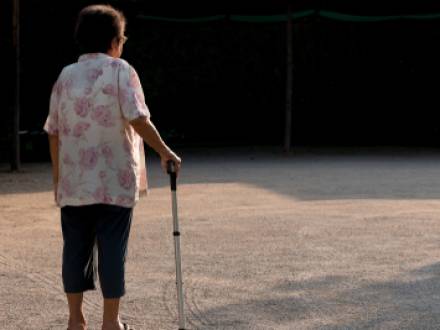 There are many early physical warning signs of nursing home neglect. Catching these signs early can make a real difference in protecting your loved one from further harm. Families trust nursing homes to provide safe, attentive care, and when that trust is broken, the results can be devastating. If you think your loved one is being neglected in 2026, a Cook County personal injury lawyer can help you understand your options and fight to hold the facility accountable.
What Is Nursing Home Neglect and How Is It Different From Abuse?
Nursing home neglect happens when a facility fails to give a resident the care they need. It is not always on purpose. Neglect can happen because of understaffing, poor training, or a facility that simply cannot meet its residents' needs. But whether it is intentional or not, the harm is real, and the facility can be held legally responsible.
Abuse involves deliberate harmful conduct. Neglect is the failure to act when action was needed. Both are serious, and both can cause real physical and emotional harm to vulnerable residents.
What Physical Signs of Neglect Should Families Watch for During Nursing Home Visits?
Physical signs are often the easiest to spot. When you visit your loved one, look closely at how they appear and whether anything has changed since your last visit.
Physical warning signs of nursing home neglect include:
-
Unexplained weight loss or signs of dehydration
-
Poor hygiene, such as unwashed hair, dirty clothing, or body odor
-
Bedsores, also called pressure ulcers, especially in later stages
-
Untreated cuts, bruises, or infections
-
Frequent falls or injuries that no one can explain
-
Soiled clothing or bedding that has not been changed
-
Sudden confusion or changes in alertness that may point to medication errors
One sign on its own may have an innocent explanation. But a pattern of these signs, or several appearing at once, is a serious red flag that needs immediate attention.
What Emotional and Behavioral Changes Should Raise Concern?
Changes in your loved one's mood or behavior can also signal that something is wrong, especially if those changes happen quickly or without a clear reason.
Watch for withdrawal from activities they used to enjoy, increased anxiety or fearfulness, reluctance to talk when staff is nearby, signs of depression, and confusion that seems worse than usual. Some residents may become upset or anxious around certain staff members, which can be a sign that something has happened they are not comfortable talking about.
Some cognitive decline is normal with age. But a sudden or rapid change in behavior without a clear medical reason deserves a closer look.
What Should You Notice About the Facility During Your Visits?
The condition of the nursing home itself can tell you a lot. During visits, pay attention to whether the facility looks clean. Do the staff seem engaged and attentive? Can residents easily reach call buttons or other ways to get help?
Warning signs in the facility include strong odors of urine or waste, rooms that look dirty or poorly kept, staff who seem rushed or dismissive when residents ask for help, and residents who appear to be left alone for long stretches without anyone checking on them.
What Legal Protections Do Illinois Nursing Home Residents Have?
Illinois nursing home residents have specific legal rights under the Nursing Home Care Act, 210 ILCS 45/1-101. This law sets out what facilities are required to provide and what rights residents are entitled to. These include:
-
The right to receive proper medical care
-
The right to be free from abuse and neglect
-
The right to be treated with dignity
-
The right to have complaints handled promptly
When a facility breaks these rules, and a resident is harmed, the family may be able to file a civil lawsuit against the facility. Compensation can include medical expenses and pain and suffering. In some cases, punitive damages may be available when the neglect was especially serious.
What Should You Do if You Notice Warning Signs of Neglect?
If something feels wrong, act quickly. Write down what you observed, take photos if you can, and keep records of any conversations with staff. Report your concerns to the facility in writing and file a complaint with the Illinois Department of Public Health if needed.
Then, contact an attorney who handles nursing home neglect cases. We can help you figure out whether what you saw rises to the level of legal neglect. We’ll also help you figure out what your loved one may be entitled to recover.
Contact Our Arlington Heights, IL Nursing Home Neglect Attorneys Today
At Dickler, Kahn, Slowikowski & Zavell, Ltd., our Cook County personal injury lawyers bring over 150 years of combined legal experience to every case. We are committed to holding nursing homes accountable when they fail the people in their care. Call us at 847-593-5595 to discuss your options today.









Get in Touch With One of Our Professionals
To learn more about our legal services, we encourage you to schedule a consultation at our office.
85 W Algonquin Road, Suite 420,Arlington Heights, IL 60005
Fill Out the Contact Form Below or Call Us at 847-593-5595
 The use of the Internet or this form for communication with the firm or any individual member of the firm does not establish an attorney-client relationship. Confidential or time-sensitive information should not be sent through this form.
I have read and understand the Disclaimer and Privacy Policy.

Results listed are not a guarantee or indication of future case results.
85 W Algonquin Road, Suite 420,
Arlington Heights, IL 60005
847-593-5595


