 Polish,
 Ukrainian,
 Russian,
 Hindi,
 Spanish,
 French and
 Greek.


How Should Illinois HOA Boards Respond to Owners Who Harass Board Members?
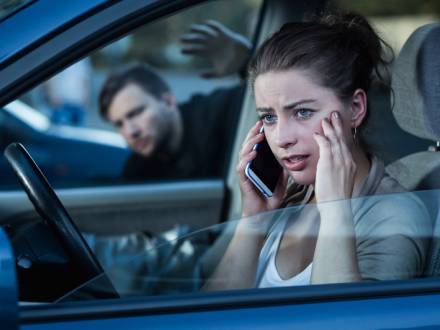
Illinois HOA boards should respond to harassment by documenting incidents, setting fair communication rules, and taking threats seriously. Owners have the right to question decisions and raise concerns. Disagreement alone is not harassment. However, threats, stalking, and repeated intimidation can require stronger action.
If your association faces this problem in 2026, our Arlington Heights, IL homeowner association lawyers can help protect board members while respecting owners' rights.
What Rights Do Illinois HOA and Condo Owners Have When Dealing With Their Boards?
Owners have the right to request certain association records and attend many board meetings. Under 765 ILCS 605/19, condominium owners can review records such as meeting minutes, contracts, and financial documents. Some requests have additional requirements, but many do not require the owner to explain why they want the records.
Meeting rules depend on the type of association. Condo owners can attend open board meetings, but they do not automatically have a right to speak. Under 765 ILCS 160/1-40, common interest community HOA boards must allow time for member comments. The board decides how long that period lasts.
Owners can also question spending, criticize decisions, and support new board candidates. A board should not treat these actions as harassment simply because the complaints are persistent.
What Owner Behavior Can Count as Harassment of an Illinois HOA Board?
A disagreement becomes more serious when behavior threatens someone's safety or repeatedly targets them personally. Warning signs include:
-
Threatening board members or their families with violence
-
Repeatedly following or watching someone in a threatening way
-
Sending messages containing threats or serious intimidation
-
Damaging a board member's home, car, or other property
-
Repeatedly approaching someone's home after being told to stop
-
Disrupting meetings with threats or aggressive behavior
Not every rude message or repeated complaint is unlawful harassment. Taking photographs or posting criticism online is not automatically illegal either. The board should consider what happened, whether anyone was threatened, and the effect on those involved.
If someone faces an immediate threat, contact police rather than waiting for another incident.
How Should an Illinois HOA Board Document Harassment Complaints?
Keep a written record of each incident. Include the date, location, what happened, and the names of witnesses. Save complete emails, texts, letters, and voicemails rather than selected portions.
Preserve security footage before it is erased. Collect witness statements while memories are fresh. Board members should also keep records of any police reports.
Avoid angry replies or personal arguments. Choose one person, such as the property manager, to handle routine communication. This creates a clear record and reduces direct conflict. Continue answering valid owner requests within the required time.
Can an Illinois HOA Fine or Restrict an Owner for Harassing Board Members?
An association can enforce its declaration, bylaws, and valid rules. These may address threats, nuisance behavior, or disruptions in common areas. But a board cannot impose penalties simply because it dislikes an owner's criticism.
Under Illinois law, condominium boards must give notice and an opportunity to be heard before imposing reasonable fines for rule violations. Common interest community associations have similar requirements.
Boards can adopt reasonable meeting procedures and set clear channels for routine complaints. They must still follow applicable owner-comment rules. Mediation can help when the dispute concerns an association decision rather than personal safety.
Any restriction on access or shared facilities needs support in the governing documents and applicable law.
When Can an Illinois HOA Take Legal Action Against a Harassing Owner?
If the conduct continues or creates a serious safety concern, the association should consult its attorney. A lawsuit seeking an order to stop specific behavior could be possible when the association has a valid legal claim.
A board member who is being stalked might be able to request a stalking no-contact order personally. Threats, stalking, and property damage should also be reported to police. Criminal charges are handled by prosecutors, not the HOA.
False statements of fact can support a defamation claim. However, strong opinions about board decisions are not automatically defamatory.
Contact Our Cook County, IL HOA Law Attorneys Today
Our firm brings over 150 years of combined legal experience to condominium and homeowner association matters. We help boards review rules, manage owner disputes, and decide when formal enforcement or legal action is needed.
If your Illinois HOA board faces threats or harassment from an owner in 2026, contact Dickler, Kahn, Slowikowski & Zavell, Ltd. at 847-593-5595 to speak with our Arlington Heights, IL homeowner association law lawyers about your options.



Get in Touch With One of Our Professionals
To learn more about our legal services, we encourage you to schedule a consultation at our office.
85 W Algonquin Road, Suite 420,Arlington Heights, IL 60005
Fill Out the Contact Form Below or Call Us at 847-593-5595
 The use of the Internet or this form for communication with the firm or any individual member of the firm does not establish an attorney-client relationship. Confidential or time-sensitive information should not be sent through this form.
I have read and understand the Disclaimer and Privacy Policy.

Results listed are not a guarantee or indication of future case results.
85 W Algonquin Road, Suite 420,
Arlington Heights, IL 60005
847-593-5595


