 Polish,
  Ukrainian,
  Russian,
  Hindi,
  Spanish,
  French and
  Greek.


What HOAs Need to Know About Grounds Maintenance Services
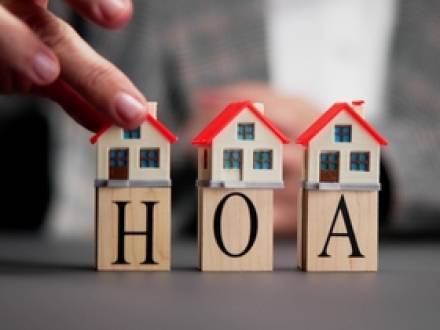 Homeowner associations manage a wide range of responsibilities, and grounds maintenance is often one of the most visible and costly aspects of community management. When landscaping is neglected or snow removal falls behind schedule, residents will notice immediately, and they may make complaints. Clear policies about grounds maintenance services can help HOAs maintain property values, meet their legal obligations, and keep residents satisfied with their community.
HOAs must clearly define what types of grounds maintenance services the association will provide and which services will remain the responsibility of individual homeowners. These distinctions should be spelled out in the association's governing documents and communicated regularly to all residents. As associations prepare to address issues related to HOA law in 2026, it will be important for them to operate transparently and give homeowners proper notice of their obligations. Well-drafted maintenance policies are more important than ever, and a law firm with a strong understanding of these issues can help HOAs resolve any concerns that may arise.
What Grounds Maintenance Services Do HOAs Typically Provide?
The scope of grounds maintenance services can vary significantly depending on whether an HOA manages a condominium community, townhome development, or single-family neighborhood. Understanding the full range of potential services can help HOA boards make informed decisions about their maintenance programs.
- Lawn maintenance typically includes mowing, edging, fertilizing, weed control, and aeration of common areas. In communities with extensive common areas, regular lawn maintenance can keep a neighborhood looking attractive. Some HOAs provide full lawn care, while others may only maintain entrance areas, medians, and shared green spaces.
- Tree and shrub care involves pruning, trimming, disease treatment, and sometimes removal of dead or dangerous trees. Due to the harsh winters and strong storms that affect communities in Illinois, regular inspection and maintenance is essential. HOAs will need to determine which trees fall under an association’s responsibility and which will need to be addressed by homeowners.
- Seasonal flower planting and landscaping updates can enhance curb appeal and maintain consistent aesthetics across a community. Many HOAs plant flowers at entrances or in common areas. These seasonal updates require planning, budgeting, and coordination with landscaping contractors.
- Snow and ice removal can be critical during Illinois winters. HOAs must have clear policies about which areas they will clear and how quickly these services will be performed after snowfall. Snow removal may need to be performed in parking lots, sidewalks, and driveways.
- Maintenance of sidewalks and walkways may include repairs, replacement, power washing, and addressing tripping hazards. Under the Illinois Premises Liability Act (740 ILCS 130), property owners can be held liable for injuries that occur on poorly maintained walkways, making this a risk management issue for HOAs.
How Should HOA Bylaws Address Grounds Maintenance?
An association's bylaws and declaration should clearly specify grounds maintenance responsibilities. These governing documents create the legal framework that determines what the HOA must maintain, what expenses the association will cover, and what restrictions will apply to individual homeowners.
The declaration typically defines common areas versus limited common areas versus individual lots. Common areas are maintained by the HOA using funds from regular assessments. Limited common areas, such as patios or parking spaces assigned to specific units, may have shared maintenance responsibilities. Individual lots are generally the homeowner's responsibility, though bylaws may impose standards that owners must meet.
Maintenance standards in the governing documents should describe the quality and frequency of services the HOA commits to providing. Rather than vague language like "the HOA will maintain landscaping," effective bylaws will specify details such as "lawns in common areas will be mowed weekly during the growing season" or "snow will be removed from parking lots and main walkways within 24 hours of snowfall ending."
Assessment provisions need to clearly state that grounds maintenance costs are covered by regular assessments. They may also explain whether special assessments may be levied for major projects like tree removal or sidewalk replacement. The Illinois Common Interest Community Association Act (765 ILCS 160) requires specific procedures for imposing special assessments, and bylaws should reference these requirements.
Architectural control provisions may give HOAs authority to regulate what homeowners can do with their own landscaping. These restrictions may address fence heights, tree removal, landscaping materials, or lawn maintenance standards. These controls can help preserve property values.
Legal Considerations That May Affect Grounds Maintenance for HOAs
Illinois law imposes several requirements on HOAs that can affect decisions about grounds maintenance. The Illinois Common Interest Community Association Act requires HOAs to maintain common elements in good repair and to use assessment funds only for legitimate association purposes. Grounds maintenance in common areas clearly falls within this authority, but using association funds to maintain individual homeowner properties could create legal problems unless the governing documents specifically authorize it.
Liability concerns can make grounds maintenance a risk management issue. If someone slips on an icy HOA sidewalk or trips on a broken walkway, the association could face a lawsuit. Maintaining adequate insurance coverage and documenting regular inspections and prompt repairs can help to protect an HOA.
Accessibility requirements under the Americans with Disabilities Act and Illinois law may apply to HOA common areas. Sidewalks and pathways must meet certain standards, and maintenance decisions should consider these legal obligations.
Contracts will affect an HOA's relationship with landscaping contractors. Written contracts should clearly specify services, payment terms, performance standards, and remedies if the contractor fails to perform. Having an attorney review contractor agreements before signing can help avoid future disputes.
Contact Our Arlington Heights HOA Attorneys
Establishing clear grounds maintenance policies can protect an HOA against disputes while controlling costs and making sure a community looks its best. Well-drafted bylaws and effective communication strategies can help residents understand their rights and obligations while giving the board the authority it needs to maintain the property.
If your HOA needs assistance drafting or updating grounds maintenance policies, resolving disputes over maintenance responsibilities, or reviewing contractor agreements, contact the Arlington Heights, IL homeowner association lawyers at Dickler, Kahn, Slowikowski & Zavell, Ltd.. Call 847-593-5595 today to set up a consultation and learn more about how we can help your association effectively manage grounds maintenance services and avoid costly conflicts.








Get in Touch With One of Our Professionals
To learn more about our legal services, we encourage you to schedule a consultation at our office.
85 W Algonquin Road, Suite 420,Arlington Heights, IL 60005
Fill Out the Contact Form Below or Call Us at 847-593-5595
 The use of the Internet or this form for communication with the firm or any individual member of the firm does not establish an attorney-client relationship. Confidential or time-sensitive information should not be sent through this form.
I have read and understand the Disclaimer and Privacy Policy.

Results listed are not a guarantee or indication of future case results.
85 W Algonquin Road, Suite 420,
Arlington Heights, IL 60005
847-593-5595


