 Polish,
  Ukrainian,
  Russian,
  Hindi,
  Spanish,
  French and
  Greek.


What Risks Do Self-Managed Condo Associations Face?
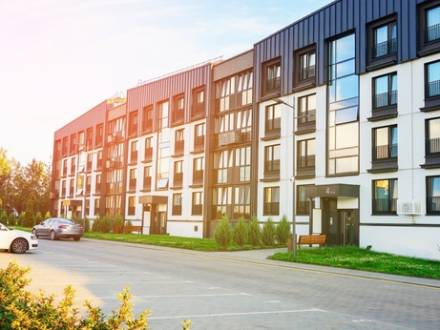 Running a condo association without a property management company can seem like a great way to save money. And for some communities, it works fine. But self-management also comes with real risks. They can surprise volunteer board members who did not sign up to become legal or financial experts. If you are facing issues with a self-managed association in 2026, talking to an experienced Arlington Heights, IL condominium law attorney should be your first move.
Illinois condo associations are governed by the Illinois Condominium Property Act at 765 ILCS 605. This law sets out specific rules for how associations must be run, how money must be managed, and how unit owners must be treated. Whether an association is professionally managed or self-managed does not change those rules. The board is still responsible for following them, and the consequences of getting it wrong can be serious.
Do Self-Managed Boards Have Legal Obligations?
Under Illinois law, condominium board members owe fiduciary duties to the unit owners they serve. That means they must act in the best interests of the association, be careful with decisions, and put the community's needs above their own.
Some of the legal requirements self-managed boards most commonly miss include:
-
Giving proper written notice before meetings and votes as required by the governing documents and state law
-
Keeping financial records that unit owners can access upon written request
-
Enforcing rules the same way for every owner, every time
-
Maintaining proper insurance coverage, including liability protection for common areas
-
Following the correct steps when issuing special assessments or collecting unpaid dues
-
Responding properly to accommodation requests from residents with disabilities under fair housing laws
Missing any of these can expose the association, and even individual board members, to legal claims.
What Financial Risks Come With Self-Managing a Condo Association?
This is where many self-managed associations run into serious trouble. Financial problems in these associations are usually not caused by dishonesty. They are caused by inexperience, poor record-keeping, or not having enough oversight for how money is handled.
Illinois law, under 765 ILCS 605/9(c)(2), requires every condo association to keep reasonable reserves for capital expenses and deferred maintenance. Reserves are savings set aside for big repairs down the road. This includes things like roof replacements, elevator repairs, or parking lot resurfacing. Many self-managed boards keep reserves too low because they want to keep monthly assessments affordable. Then, when a major repair comes up, the money is not there. The board has to issue a special assessment, which can cause real financial hardship for owners and create conflict in the community.
Illinois law also requires associations with six or more units to carry a fidelity bond covering anyone who handles association funds. In many self-managed associations, one person controls all the money with little oversight. Without a bond and proper controls in place, the risk of financial loss through mistakes or misuse is much higher.
What Can Go Wrong With Rule Enforcement for a Self-Managed Condo Association?
When board members know their neighbors personally, it can feel awkward to fine someone or take formal action. The result is often inconsistent enforcement, where some people get warnings and others get penalized for the same behavior.
That inconsistency creates legal exposure. An owner who gets fined while a neighbor does not can argue they are being treated unfairly or even discriminated against. If the board cannot show a clear, documented record of how it handles violations, it becomes very hard to defend those decisions if a dispute goes further.
What Are the Risks Around Condo Association Meetings and Voting?
Illinois law and most governing documents have specific rules about how meetings must be called, noticed, and run. Votes on major decisions like budgets, rule changes, and special assessments must follow specific steps, or they can be challenged as invalid.
Self-managed boards sometimes skip steps, vote informally by text or email, or forget to keep proper meeting minutes. These shortcuts feel harmless in the moment. But if an owner disagrees with a decision and finds out the required process was not followed, they have grounds to challenge it. That kind of dispute can cost the association a significant amount of time and money to resolve.
Can Board Members From Self-Managed Condo Associations Be Held Personally Responsible?
In most cases, board members are protected from personal liability when they make decisions in good faith within the scope of their authority. But that protection has real limits.
Board members can face personal liability if they use association funds for unauthorized purposes, award contracts to vendors without disclosing a personal connection, ignore a known safety hazard in a common area, or make decisions that benefit one owner at the expense of others.
Directors and Officers insurance, often called D&O insurance, can offer some protection. But many self-managed associations do not carry it. And even those that do may find the coverage does not apply if a court decides the board acted in bad faith.
When Should a Self-Managed Association Get Legal Help?
Most self-managed associations benefit from having access to a lawyer before problems come up, not just after. Knowing what Illinois law requires and having someone to call when a dispute arises matters. It can prevent the kinds of issues that end up costing far more than legal guidance ever would.
Some situations where getting legal advice quickly is especially important include:
-
Receiving a formal complaint or legal threat from a unit owner
-
Dealing with a request for accommodation from a disabled resident
-
Facing a large delinquency in unpaid assessments
-
Planning a major capital expense or special assessment
Legal guidance can also help when the board is unsure whether a decision follows Illinois law or the association’s rules.
Contact Our Cook County, IL Condominium Law Lawyers Today
Most board members are volunteers doing their best to serve their community. That matters. But the legal obligations that come with the job are real, and the stakes of getting them wrong can be high. At Dickler, Kahn, Slowikowski & Zavell, Ltd., our Arlington Heights, IL condominium law attorneys have over 150 years of combined legal experience. We can help your association understand what Illinois law requires and fight for you when challenges arise. Call 847-593-5595 today for a consultation.





Get in Touch With One of Our Professionals
To learn more about our legal services, we encourage you to schedule a consultation at our office.
85 W Algonquin Road, Suite 420,Arlington Heights, IL 60005
Fill Out the Contact Form Below or Call Us at 847-593-5595
 The use of the Internet or this form for communication with the firm or any individual member of the firm does not establish an attorney-client relationship. Confidential or time-sensitive information should not be sent through this form.
I have read and understand the Disclaimer and Privacy Policy.

Results listed are not a guarantee or indication of future case results.
85 W Algonquin Road, Suite 420,
Arlington Heights, IL 60005
847-593-5595


